
Pediatric Eye Exam vs. School Vision Screening: What Virginia Beach Parents Need to Know Before the Fall
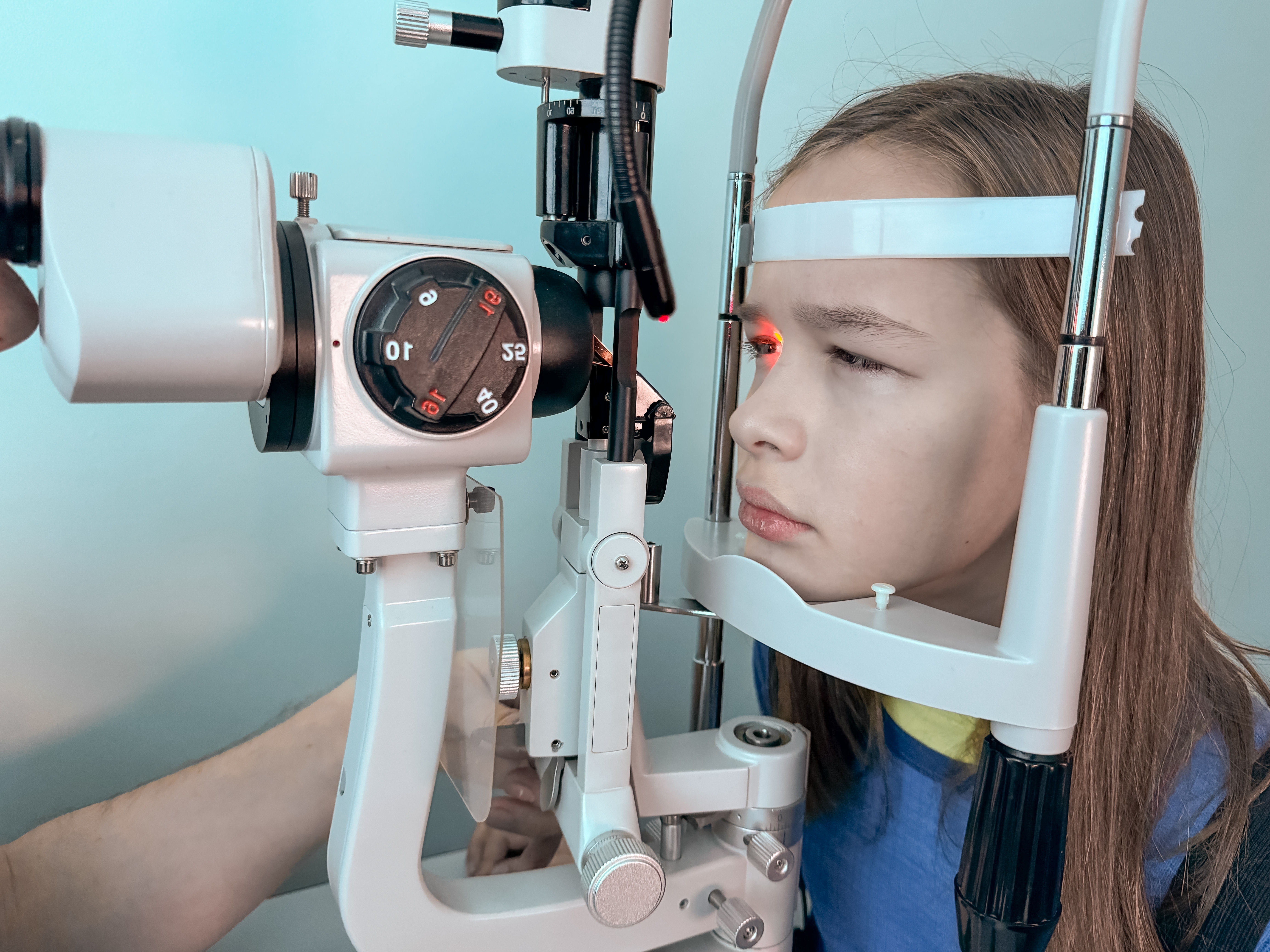
As Virginia Beach students prepare for another school year, parents may assume that passing a school vision screening means their child's eyes are ready for the classroom. While screenings can identify some obvious vision concerns, they are not the same as a comprehensive pediatric eye exam.
At Leverett Eyecare, we provide pediatric eye exams that evaluate more than how clearly a child can see letters across the room. A closer look at overall vision and eye health can uncover issues that may otherwise affect reading, screen use, sports, and classroom performance.
What Does a School Vision Screening Check?
School vision screenings are designed to identify children who may need further evaluation. They often emphasize distance visual acuity, such as whether a child can clearly read an eye chart.
This can help identify concerns such as significant nearsightedness, but a child can pass a screening and still have a vision problem. Seeing 20/20 at a distance does not necessarily tell us how well the eyes focus up close, move together, or sustain comfortable vision during reading and schoolwork.
A screening should therefore be viewed as an initial check rather than a replacement for professional eye care.
What Does a Pediatric Eye Exam Evaluate?
A comprehensive pediatric eye exam gives us more information about how your child's entire visual system is functioning. Depending on your child's age and needs, the examination may assess:
- Distance and near vision
- Nearsightedness, farsightedness, and astigmatism
- Eye focusing abilities
- Eye tracking and movement
- How well the eyes work together
- Eye alignment
- Overall eye health
- Whether glasses or additional evaluation may be needed
This broader evaluation can be especially important for Virginia Beach students who spend long periods reading, working on computers, and switching their focus between classroom boards and close-up assignments.
Why Can Vision Problems Be Easy to Miss?
Children do not always realize when they are seeing differently from other people. If blurry vision or visual discomfort has been present for a long time, they may assume it is normal.
Instead of saying that something looks blurry, a child might sit closer to the television, avoid reading, rub their eyes, lose their place on a page, or complain about headaches after homework. Teachers may notice difficulty copying information from the board or maintaining attention during visually demanding activities.
These behaviors do not automatically mean a child has an eye problem, but they are worth discussing during an eye exam.
Does Passing a School Screening Mean My Child Does Not Need an Eye Exam?
No. A passing result simply means the screening did not identify a problem using the tests that were performed.
A comprehensive eye exam allows an optometrist to evaluate areas that may not be included in a typical school screening. It also provides an opportunity to establish a baseline for your child's vision and monitor changes as they grow.
Children's prescriptions can change during the school years, particularly when myopia, or nearsightedness, begins to develop. Regular exams make it easier to identify those changes before blurry distance vision starts interfering with everyday activities.
When Should Virginia Beach Parents Schedule an Exam?
Before the fall school routine becomes busy, consider scheduling a pediatric eye exam if your child has not had a recent comprehensive evaluation, has a family history of vision problems, wears glasses, or has been showing signs of visual difficulty.
Even without noticeable symptoms, routine pediatric eye care can help confirm that your child's vision is supporting the demands of reading, writing, computer work, and classroom learning.
Give your child a clearer start to the school year by scheduling a pediatric eye exam with Leverett Eyecare at 812 S. Lynnhaven Road, Suite 100, Virginia Beach, VA 23452. Call (757) 486-2015 to schedule an appointment and make sure your child's vision is ready for everything the fall classroom brings.
Quick Links
Helpful Articles
article_category: ocular disease management
article_category: contact lenses
article_category: surgical procedures
article_category: eyeglasses
article_category: products
article_category: eye health
article_category: services
article_category: vision therapy
article_category: technology
article_category: conditions
article_category: health
article_category: eye surgery co-management
[]
Flowbite is an open-source library of interactive components built on top of Tailwind CSS including buttons, dropdowns, modals, navbars, and more.
Check out this guide to learn how to get started and start developing websites even faster with components on top of Tailwind CSS.
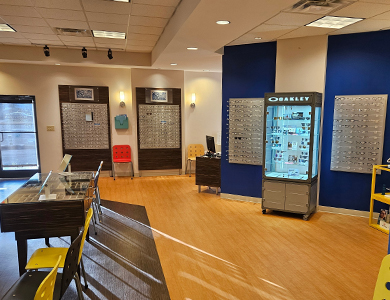
All Eye Care Services
Find personalized eye care excellence with our comprehensive services. From eye exams to advanced diagnostics, trust us for all your vision needs.
Keep In Touch
For non-urgent questions or to learn more about our services, contact us today!
© 2026 Leverett Eyecare. All rights Reserved - Accessibility Statement - Privacy Policy - Sitemap
Managed and Designed by 