
Why Dry Eye Happens: Common Causes Explained
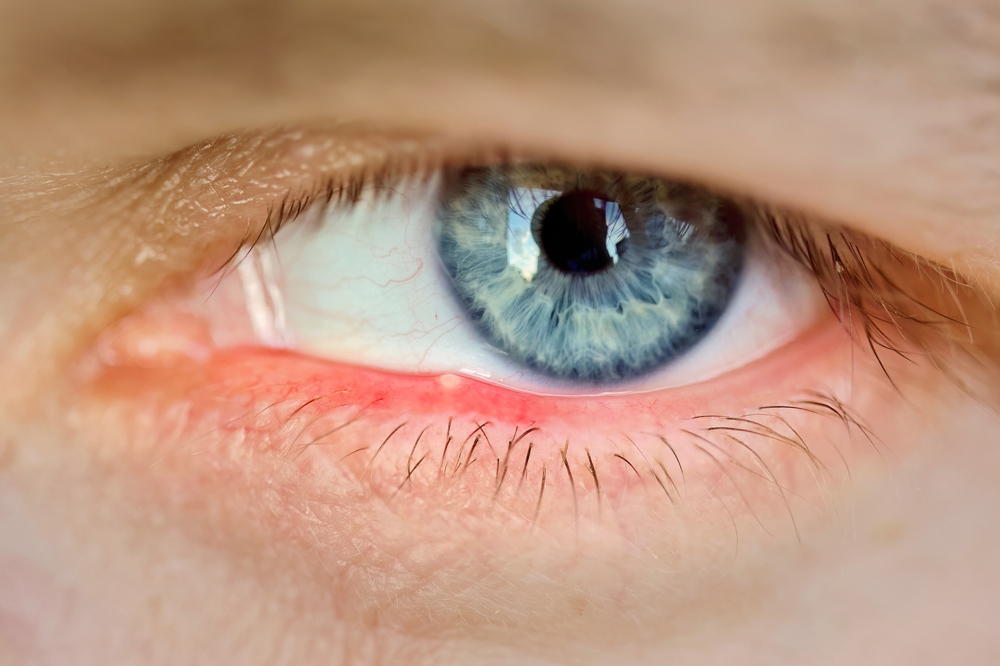
Dry Eye Starts With Tear Film Imbalance
Dry eye happens when your tears are not able to keep the surface of your eyes properly lubricated. This can occur when your eyes do not produce enough tears, when tears evaporate too quickly, or when the tear film does not have the right balance of water, oil, and mucus. At Leverett Eyecare in Virginia Beach, we often see patients who assume dry eye is just a minor irritation, but it can affect comfort, vision, and daily quality of life.
Meibomian Gland Dysfunction
One of the most common causes of dry eye is meibomian gland dysfunction, often called MGD. The meibomian glands are tiny oil glands along the eyelids. They help produce the oil layer of the tear film, which keeps tears from evaporating too quickly.
When these glands become blocked or do not function well, the eyes may feel dry, gritty, watery, or irritated. Many people are surprised to learn that watery eyes can still be a sign of dry eye because the tears may lack the oil needed to stay stable.
Screen Use And Reduced Blinking
Long hours on computers, phones, and tablets can contribute to dry eye symptoms. When we focus on screens, we tend to blink less often and may not blink fully. This reduces how well tears spread across the eyes.
For many patients in Virginia Beach, dry eye symptoms are more noticeable during work, studying, driving, or reading. Taking regular screen breaks and being mindful of complete blinking can help, but ongoing symptoms should be evaluated with an eye exam.
Environmental Triggers
Your surroundings can also play a major role in dry eye. Wind, air conditioning, heating, smoke, allergens, and dry indoor air can all cause tears to evaporate faster. In coastal areas like Virginia Beach, outdoor conditions may also irritate sensitive eyes.
Common environmental triggers include:
- Windy or dry weather
- Ceiling fans or vents blowing toward the face
- Smoke, pollen, or dust
- Long periods in air-conditioned rooms
- Contact lens wear in drying environments
Identifying these triggers can help us recommend practical changes along with treatment options when needed.
Aging, Hormones, And Health Conditions
Dry eye becomes more common with age, but it can happen at almost any stage of life. Hormonal changes, certain autoimmune conditions, allergies, diabetes, and eyelid inflammation can all affect tear production and tear quality.
Some medications may also contribute to dry eye, including certain allergy medications, blood pressure medications, antidepressants, and acne treatments. During your visit, we review your symptoms, health history, and lifestyle to better understand what may be causing your discomfort.
Contact Lenses And Eye Strain
Contact lens wear can sometimes make dry eye symptoms more noticeable, especially if the lenses are not the right fit or material for your eyes. Patients may experience burning, redness, blurred vision, or discomfort by the end of the day.
At Leverett Eyecare, we can evaluate your tear film, eye surface, and contact lens fit to determine whether your lenses are contributing to your symptoms. In some cases, changing lens type, wear schedule, or dry eye treatment can make a meaningful difference.
Why A Dry Eye Evaluation Matters
Dry eye has many possible causes, so treatment should be based on what is actually happening with your eyes. Over-the-counter drops may offer short-term relief, but they do not always address blocked oil glands, inflammation, or tear instability.
A dry eye evaluation helps us identify the source of your symptoms and recommend care that fits your needs, whether that includes lifestyle adjustments, eye drops, lid hygiene, or in-office dry eye treatment options.
If dry eye symptoms are affecting your comfort, vision, or daily routine, contact Leverett Eyecare in Virginia Beach, VA by calling (757) 486-2015.
Quick Links
Helpful Articles
article_category: ocular disease management
article_category: contact lenses
article_category: surgical procedures
article_category: eyeglasses
article_category: products
article_category: eye health
article_category: services
article_category: vision therapy
article_category: technology
article_category: conditions
article_category: health
article_category: eye surgery co-management
[]
article_category: contact lenses
article_category: surgical procedures
article_category: eyeglasses
article_category: products
article_category: eye health
article_category: services
article_category: vision therapy
article_category: technology
article_category: conditions
article_category: health
article_category: eye surgery co-management
[]
Flowbite is an open-source library of interactive components built on top of Tailwind CSS including buttons, dropdowns, modals, navbars, and more.
Check out this guide to learn how to get started and start developing websites even faster with components on top of Tailwind CSS.
All Eye Care Services
Find personalized eye care excellence with our comprehensive services. From eye exams to advanced diagnostics, trust us for all your vision needs.
Keep In Touch
For non-urgent questions or to learn more about our services, contact us today!
© 2026 Leverett Eyecare. All rights Reserved - Accessibility Statement - Privacy Policy - Sitemap
Managed and Designed by 