
How IPL Machine Therapy Restores Natural Tear Film for Severe Dry Eye Patients in Virginia Beach
How IPL Machine Therapy Restores Natural Tear Film for Severe Dry Eye Patients in Virginia Beach
When dry eye keeps returning despite frequent eye drops, the problem may involve the quality of your tears. At Leverett Eyecare in Virginia Beach, we offer OptiLIGHT intense pulsed light (IPL) therapy to help manage dry eye associated with meibomian gland dysfunction. For appropriate patients, this treatment can support a more stable natural tear film by addressing inflammation and improving oil gland function.
Why Your Tear Film Needs Healthy Oils
Your tear film keeps the surface of your eyes moist and helps maintain clear vision. The meibomian glands along your eyelids supply oils that slow tear evaporation.
When these glands become blocked or release poor-quality oil, tears can evaporate too quickly. This condition, called meibomian gland dysfunction or MGD, can contribute to burning, grittiness, and fluctuating vision. Artificial tears may provide relief, but ongoing symptoms can require treatment that also addresses the glands.
How IPL Therapy Supports Tear Film Stability
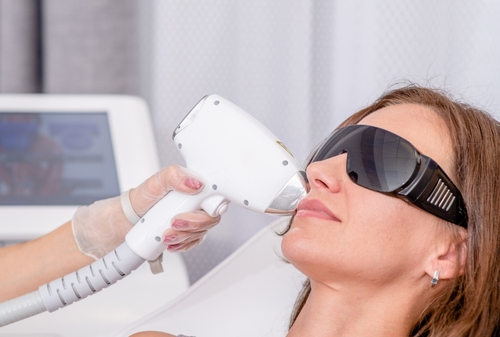
OptiLIGHT delivers controlled pulses of light to the skin across the cheeks and nose, below the eyes. Protective eyewear fully covers your eyes during treatment.
IPL helps reduce inflammation associated with MGD and can improve the quality and flow of gland oils. Better oil function helps tears remain on the eye longer before breaking up. This is how IPL can help restore tear-film stability, although it does not guarantee complete relief or cure every type of dry eye.
Signs That Deserve a Dry Eye Evaluation
At our Virginia Beach practice, we encourage an evaluation when symptoms persist or interfere with daily activities. Common concerns include:
Burning or stinging that returns throughout the day
A gritty feeling or sensation of something in the eye
Blurry vision that changes between blinks
Watery eyes despite a feeling of dryness
Discomfort during reading, screen use, or contact lens wear
These symptoms can have several causes. We evaluate your tear film and eyelids to determine whether MGD is contributing to your discomfort.
Who May Benefit From OptiLIGHT?
OptiLIGHT is indicated for adults age 22 and older with moderate to severe dry eye due to MGD and Fitzpatrick skin types I-IV. We review your skin type, medical history, medications, and eye health before recommending treatment.
Severe dry eye may involve both rapid tear evaporation and insufficient tear production. Our recommendations depend on those findings, and IPL may be combined with other care, such as lubricating drops, warm compresses, or meibomian gland expression.
What to Expect During Treatment
A typical OptiLIGHT course involves four sessions spaced two to four weeks apart. You may notice warmth or a brief snapping sensation during treatment. Temporary skin redness can occur, and we discuss potential risks and aftercare, including sun protection, before starting.
Improvement usually develops over a treatment series and varies by patient. Follow-up visits help us assess your response and determine whether ongoing treatment or maintenance is appropriate.
If persistent dry eye is disrupting your day, contact Leverett Eyecare in Virginia Beach, VA, at (757) 486-2015 to schedule an evaluation and find out whether OptiLIGHT IPL therapy belongs in your personalized care plan.
Quick Links
Helpful Articles
article_category: surgical procedures
article_category: eyeglasses
article_category: products
article_category: eye health
article_category: ocular disease management
article_category: contact lenses
article_category: services
article_category: vision therapy
article_category: technology
article_category: conditions
article_category: health
article_category: eye surgery co-management
[]
Flowbite is an open-source library of interactive components built on top of Tailwind CSS including buttons, dropdowns, modals, navbars, and more.
Check out this guide to learn how to get started and start developing websites even faster with components on top of Tailwind CSS.
All Eye Care Services
Find personalized eye care excellence with our comprehensive services. From eye exams to advanced diagnostics, trust us for all your vision needs.
Keep In Touch
For non-urgent questions or to learn more about our services, contact us today!
© 2026 Leverett Eyecare. All rights Reserved - Accessibility Statement - Privacy Policy - Sitemap
Managed and Designed by 